REVIEWS, LECTURES, HISTORY OF WOUNDS AND WOUND INFECTIONS
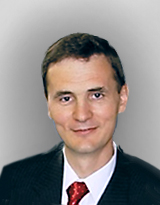
Vladimir Mikhailovich Bensman, a member of a renowned medical dynasty and veteran of the Great Patriotic War, made an invaluable contribution to the development of Russian medicine.
This work covers key stages of his professional career: from the establishment of anesthesiology services in the North Caucasus to the creation of unique surgical methods for the treatment of scoliosis and purulent pathologies. Particular attention is paid to his pioneering contribution to diabetology – the development of organ-preserving tactics for diabetic foot syndrome, which significantly reduced the incidence of high low limb amputations. For his outstanding achievements in his many years of medical, scientific, educational, and public work, V. M. Bensman was awarded the titles of Honored Doctor of the Russian Federation, Honored Scientist of Kuban, Inventor of the USSR, laureate of the Krasnodar Krai Administration Prize, and Honorary Citizen of the City of Krasnodar, Honorary member of the Surgical Society "Wounds and Wound Infections". Vladimir Mikhailovich Bensman was awarded six state awards as a participant in the Great Patriotic War, as well as five medals and two government badges for his work in peacetime. The author of over 300 scientific papers and the founder of his own surgical school. Professor V. M. Bensman remained true to the principles of clinical compassion and scientific inquiry until his last days. His legacy lives on in his numerous students and the treatment methods he has implemented into practice.
The aim of this study is to evaluate the results of scientific research on the use of cold plasma in various medical fields.
Early studies have provided evidence that plasma promotes wound healing through a beneficial combination of active substances and the modulation of inflammation in cells and tissues. Cold atmospheric plasma has been studied and clinically used to treat cancer, periodontitis, and other diseases, as it exerts cytotoxic, bactericidal, cell-proliferative, and anti-inflammatory effects on living tissues through the formation of reactive species. Thus, cold plasma is a versatile treatment for diseases associated with chronic inflammation and bacterial infections.
This review presents the most important biomedical applications of cold atmospheric or low-temperature plasma in modern medicine, demonstrating its effect on the healing of chronic and acute wounds.
The problem of healing chronic ulcers and wounds is far from its final solution, many patients continue to live with them even after all standard treatment options have been exhausted.
Objective. The aim of this review is to summarize the published evidence on the effectiveness of muscle pump activator devices in the management of chronic ulcers and wounds, reflecting the clinical use of such devices.
Material and methods. A literature search was conducted in PubMed, Google Scholar, and e-Library for the period from 2010 to 2025. Seventeen full-text publications of any design were included for the review that assessed the effect of pump activator devices on blood flow and microcirculation or on wound healing in patients with chronic wounds and ulcers. Seven studies used a comparison with a control group, which received standard therapy for wound healing, the intervention group differed from the control group by the addition of pump activator devices physiotherapy. The total number of participants in the intervention/control group was 163/152 pers., the total number of patients from observational studies was 164.
Research results. Difficult-to-heal wounds of all etiologies showed a higher healing rate, reduced dressings, improved patient quality of life, pain and swelling control under the influence of pump activator devices than in cases of treatment with standard therapy alone. Given the lack of work on this topic in e-Library, the author finds it useful to draw the attention of the audience to pump activator devices as an additional option for healing chronic wounds of all etiologies.
Conclusion. The effectiveness of using muscle pump activators as an additional therapy to improve the function of the calf muscle pump in patients with chronic ulcers and wounds who cannot tolerate optimal compression therapy has been proven. However, further large-scale randomized clinical trials on the use of muscle pump activator devices are needed to confirm these benefits.
CASE REPORTS
This paper analyzes current treatment concept for skin and soft tissue infections, moving from theoretical microbiological aspects to specific practical recommendations. It focuses on the concept of rational topical treatment as a key element in the management of patients with purulent-inflammatory processes. The authors substantiates the need for a differentiated approach to the selection of topical antibacterial agents based on the stage of the wound healing process and the specific nature of antibiotic resistance.
The article critically examines the applicability of antimicrobial susceptibility interpretation criteria, originally developed for systemic antibiotics, to topical antimicrobial agents. As an alternative approach for topical antibiotics, the use of epidemiological cut off values (ECOFFs) is proposed, enabling the identification of the wild type strain population, defined as isolates lacking acquired resistance mechanisms to the antibiotic under consideration. The authors emphasize that the high antibiotic concentrations achieved directly at the site of infection through topical application render conventional therapeutic frameworks for antimicrobial selection – largely based on systemic pharmacokinetic and pharmacodynamic principles – clinically irrelevant.
The paper emphasizes the pathogenetic rationale for the choice of dosage forms. The authors describes in detail the treatment strategy depending on the healing stage: using powder formulations during the inflammatory phase to ensure powerful exudate absorption and wound decontamination, and switching to ointment formulations during the regeneration phase to protect granulation tissue and prevent secondary infection. The clinical effectiveness of this strategy is confirmed by presented cases of successful treatment of complicated forms of pyoderma, folliculitis, and streptoderma, including in patients with severe comorbidities (diabetes mellitus, heart failure). The conclusion is that appropriate topical therapy not only optimize healing prosess but also reduces the burden on systemic circulation, limiting the growth of global antibiotic resistance.
This article focuses on improving local treatment tactics for purulent wounds in the context of increasing antibiotic resistance and the incidence of complex man-made and combat injuries. The authors conducted a comparative analysis of the antimicrobial activity of modern antiseptics, using for cleansing wound surfarces before dressings, revealing the superiority of Trihexylon® (Russia) over traditional agents against hospital-acquired strains, including P. aeruginosa and A. baumannii.
The focus is on the pathogenetic rationale for the use of proteolytic enzymes immobilized on modified cellulose carriers. The study compares the properties of native enzymes and modern russian enzyme-containing dressings (PROTEOX, PAM-T, MULTIFERM). It was found that chemical immobilization of trypsin on dialdehyde cellulose provides prolonged necrolytic activity (up to 48–72 hours), protection of enzymes from tissue inhibitors, and a reduction in their antigenicity. The study results demonstrate that the use of such biologically active dressings accelerates wound cleansing of devitalized tissue, suppresses the inflammatory response, and creates optimal conditions for starting regeneration. The use of this technique in combination with surgical debridement reduces hospital stays and prepares the wound surface for plastic closure as quickly as possible.
This article demonstrates the effectiveness of combination therapy and using of a custom-made 3D-modeled load-bearing dressing in a patient with complicated diabetic foot syndrome following toe amputation.
Using 3D-modeled custom-made load-bearing dressing minimized vertical and horizontal stress on the wound surfaces while ensuring the patient's mobility. The combination therapy demonstrated significant positive results: infection resolution and epithelialization progress, allowing the patient to be discharged to the outpatient clinic in satisfactory condition.
The use of custom-made load-bearing dressings manufactured by additive technologies (3D-printing) as part of combination therapy improves the
effectiveness of rehabilitation for patients with diabetic foot syndrome, optimimizes wound healing process, and improves quality of life in the postoperative period.
CONGRESSES, CONFERENCES, SYMPOSIA
INFORMATION FOR AUTHORS

ISSN 2500-0594 (Online)